Dubai: A City of Culture, Heritage, Cuisine, and Beaches - Beyond the Glitz

Dubai isn’t just about skyscrapers and luxury malls. It’s a city where ancient trade routes meet futuristic architecture, where the scent of saffron and cardamom drifts from alleyway cafes just steps from rooftop bars with panoramic views of the Arabian Gulf. The desert doesn’t just sit on the edge of the city - it wraps around it, offering dune bashing at sunset and quiet starlit nights that feel worlds away from the neon glow of Downtown. This is a place where tradition isn’t preserved in museums - it’s lived, eaten, and spoken every day.
If you’re looking for more than just sightseeing, some visitors turn to services like hot escort dubai for companionship that blends discretion with local insight. These arrangements aren’t about clichés - they’re about connection, whether it’s having someone who knows the best hidden seafood spot in Jumeirah or can guide you through the labyrinth of the Gold Souk without the pressure of a sales pitch.
Culture That Breathes, Not Just Displays
Dubai’s cultural scene doesn’t live inside glass cases. It’s in the call to prayer echoing over the Dubai Creek at dawn, in the way Emirati women wear the abaya with pride and modern flair, in the Bedouin poetry readings held under tents lit by lanterns in Al Marmoom. The Dubai Opera hosts everything from classical symphonies to Arabic oud performances, and the Al Fahidi Historical Neighbourhood lets you walk through wind-tower houses built over 150 years ago, still maintained by families who trace their roots here to the pearl-diving era.
Unlike other cities that package culture as a tourist attraction, Dubai lets it breathe. You’ll find Emirati families having afternoon tea in the courtyard of the Dubai Museum, children learning to weave palm fronds in community workshops, and elders sharing stories of how the city grew from a fishing village into a global hub - all without a ticket booth in sight.
Heritage That’s Still Alive
The heritage of Dubai isn’t frozen in time. It’s evolving. The Dubai Frame, a 150-meter-tall golden structure, doesn’t just offer views - it frames the contrast between old Dubai and new. Step inside, and you’re looking at a 1950s photograph of Bur Dubai’s water taxis next to a live feed of the Burj Khalifa. That’s not a museum exhibit. That’s daily reality.
Visit the Al Shindagha Museum, and you’ll see how a traditional majlis (gathering space) was once the heart of community decision-making. Today, those same spaces are used for art exhibitions, poetry nights, and even tech startup pitch sessions. The past isn’t being replaced - it’s being repurposed. And the people? They’re the ones making sure it stays relevant.
Cuisine: More Than Just Fine Dining
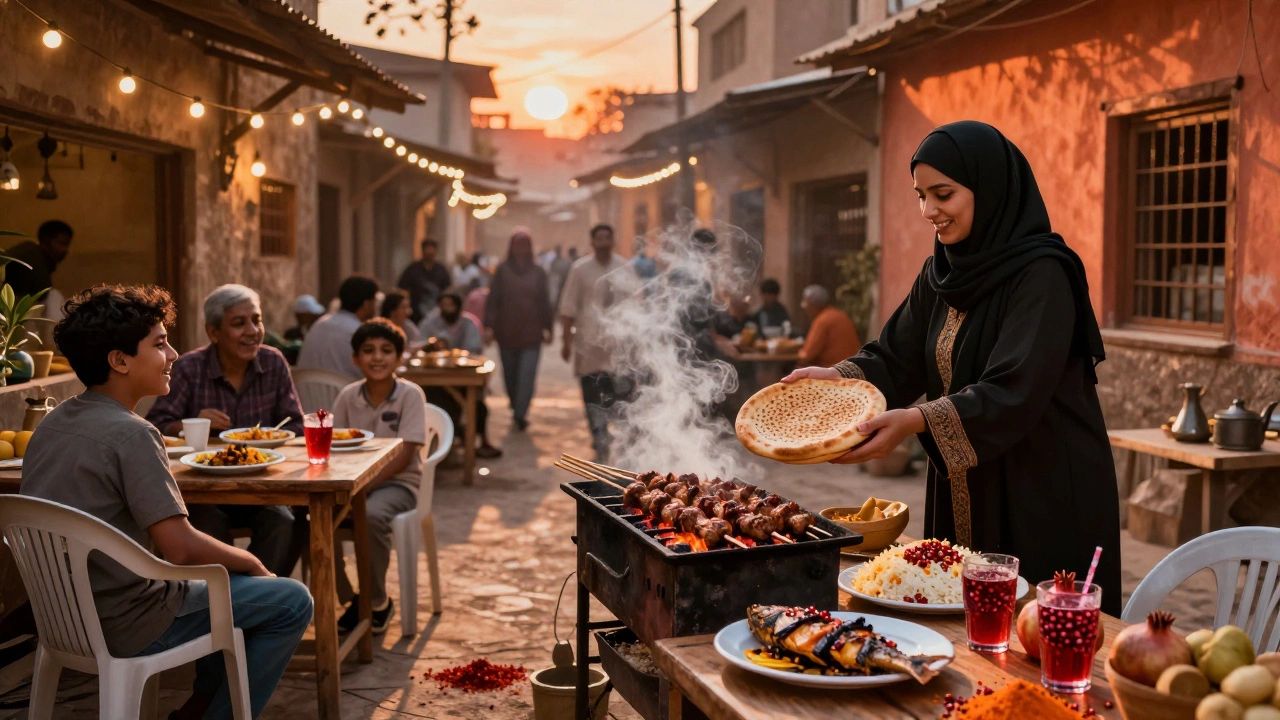
Dubai’s food scene isn’t defined by Michelin stars - though it has plenty. It’s defined by the sizzle of kebabs on charcoal grills in Satwa, the steam rising from plates of machboos (spiced rice with lamb) in local homes, and the way Emirati coffee is served with dates in a single cup, no sugar, no rush. Head to Al Dhiyafa Road after sunset, and you’ll find families eating together on plastic chairs under string lights, laughing over grilled fish and fresh pomegranate juice.
There’s no single "Dubai cuisine." It’s a melting pot shaped by Indian, Pakistani, Iranian, Filipino, and Levantine communities who’ve lived here for generations. The best shawarma isn’t in a luxury hotel - it’s in a tiny shop near Al Rigga, where the owner has been making the same recipe since 1987. And yes, you’ll find upscale tasting menus with truffle-infused camel meat, but the real magic is in the unassuming places where locals eat.
Beaches That Feel Like Secret Spots
Dubai’s beaches aren’t just postcard-perfect - they’re personal. Kite Beach is popular, sure, but head to Umm Suqeim 3 and you’ll find families setting up colorful tents, kids building sandcastles, and older men playing backgammon under umbrellas. The water is calm, the sand soft, and the only noise is the tide and distant laughter.
For privacy, try Jebel Ali Beach. It’s quieter, less crowded, and backed by mangroves where herons glide low over the water. You won’t find beach bars here, but you will find people bringing their own food, blankets, and coolers - the kind of day that feels like a gift, not a transaction.
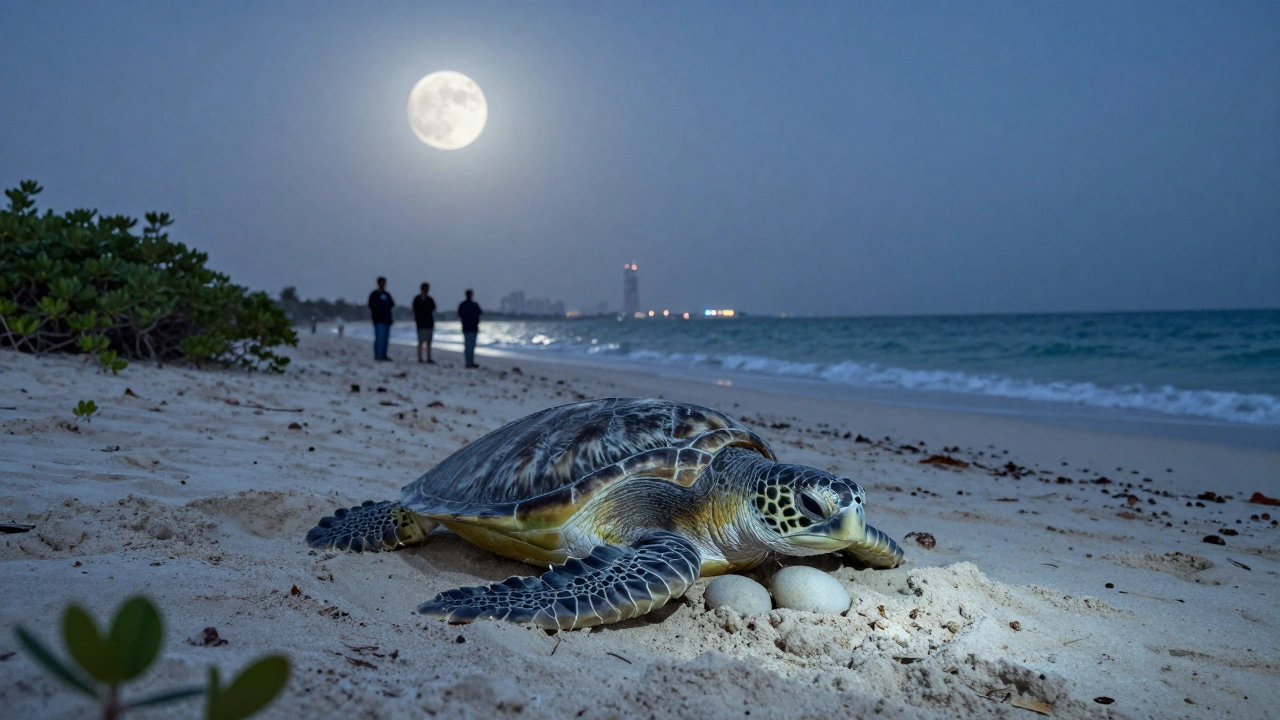
And if you’re lucky, you’ll catch the biannual turtle nesting season. Green sea turtles come ashore at night, laying eggs under the moonlight. Local volunteers patrol the beaches, protecting nests and guiding curious visitors to observe from a distance. It’s a quiet reminder that even in a city of 3 million people, nature still has space to breathe.
The Real Dubai Isn’t on Instagram
You won’t find the real Dubai scrolling through feed after feed of golden yachts and designer boutiques. It’s in the traffic jam on Sheikh Zayed Road where a taxi driver shares how he moved here from Kerala in 1995 and now sends his kids to university in the UK. It’s in the Emirati woman who runs a small bakery in Deira, baking khubz bread using her grandmother’s recipe, and who still greets every customer by name.
It’s in the quiet moments - the elderly man praying on a rug at the edge of the desert, the group of teenagers playing football on a rooftop with a view of the Burj, the woman selling fresh dates from a cart near the Dubai Mall, refusing to take more than AED 5 for a kilo because "it’s not about money, it’s about sharing."
This is the Dubai that stays with you. Not the one you see in ads. Not the one that costs a fortune. The one that surprises you because it’s human.
What to Do When You’re Done With the Highlights
After the Burj Khalifa, after the Palm, after the desert safari - what’s left? Go to the Dubai Wildlife Park and watch a falconry demonstration where the birds are trained by Bedouin families who’ve passed the skill down for centuries. Visit the Dubai Coffee Museum and taste 12 types of coffee, from traditional cardamom brew to Ethiopian Yirgacheffe, all served in handmade ceramic cups.
Take a dhow cruise along the Dubai Creek at dusk. Don’t book the fancy one with live music. Book the local one - the one that leaves from Al Shindagha, carries a dozen passengers, and costs AED 30. The captain will point out where the pearl divers used to gather, where the first oil wells were drilled, and where his grandfather used to sell fish.
And if you’re looking for something deeper, visit the Dubai Community Theatre & Arts Centre. It’s not a glitzy venue. It’s a small building with mismatched chairs and a stage that’s seen everything from slam poetry to refugee storytelling. It’s where real voices are heard - not curated, not polished, just real.
There’s a quiet truth here: Dubai doesn’t need to prove anything. It’s already everything. And the people who live here? They know it.
So if you’re looking for a city that’s more than its headlines, more than its price tags, more than its reputation - Dubai delivers. You just have to know where to look.
For those seeking companionship that goes beyond the surface, some find value in services like real escort dubai - not as a substitute for experience, but as a bridge to deeper local connections, with discretion and cultural awareness built in.
And for those who want to explore the city with a guide who knows its rhythm, escort dubai vip services offer tailored experiences - from private museum tours to sunset dinners on the beach, all arranged with care and local insight.